You Won’t Believe What I Found Walking Merida’s Quiet Streets
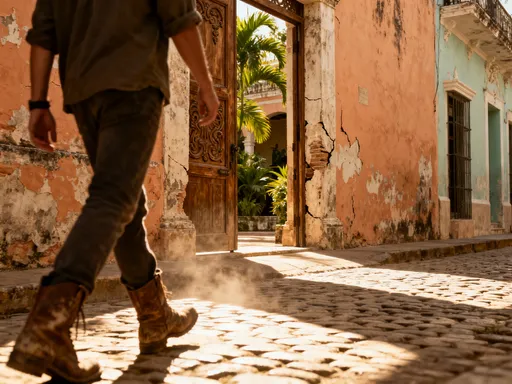
Slow travel isn’t just about moving slowly—it’s about seeing deeply. In Mérida, Mexico, I discovered a world where colonial facades hide Mayan whispers and every corner tells a story. With no rush, just rhythm, I wandered tree-lined paseos, touched centuries-old coral stone, and felt the city breathe through its architecture. This isn’t a checklist trip—it’s a conversation with history, one colorful courtyard at a time.
Why Mérida Invites Slow Exploration
Mérida, the capital of Mexico’s Yucatán state, offers a rare travel experience: a vibrant city that still moves to the gentle beat of daily life. Unlike the bustling energy of Mexico City or the resort-lined coasts of Cancún and Los Cabos, Mérida unfolds at a pace that invites lingering. The city center is compact, walkable, and rich with cultural layers that reveal themselves only to those who take the time to look. Its wide avenues, shaded sidewalks, and plazas filled with the scent of frangipani create an atmosphere where time slows and attention sharpens.
What makes Mérida particularly suited to slow travel is its unique blend of cultures. Founded by the Spanish on the ruins of the ancient Mayan city of T’ho, the city has evolved as a meeting point of civilizations. The indigenous Yucatec Maya heritage is not a relic of the past but a living presence—in the language spoken in homes and markets, in traditional dishes like cochinita pibil, and in the craftsmanship passed down through generations. This cultural continuity gives the city an authenticity that cannot be staged or rushed.
The city’s layout also encourages unhurried exploration. Most of Mérida’s architectural and cultural highlights are concentrated within the historic center, easily navigated on foot or by bicycle. There are no sprawling complexes or distant attractions requiring long drives. Instead, the journey from one colonial church to a neighborhood market might take only ten minutes—but it’s ten minutes filled with sensory detail. A woman selling fresh papaya on a corner, the chime of a church bell, the shadow of a jacaranda tree on a pastel-colored wall—these are the moments that define a visit to Mérida.
For travelers accustomed to ticking off attractions, Mérida offers a different kind of reward. There is no single 'must-see' monument that justifies the trip. Instead, the city’s magic lies in accumulation—in the gradual understanding that comes from repeated walks down the same street, noticing how light falls differently at dawn and dusk, or how a quiet patio opens during a festival. This is not tourism as consumption but as connection.
The Soul of Mérida: Architecture That Speaks
If Mérida has a soul, it is written in its architecture. Every building, from the grandest mansion to the simplest home, tells a story of adaptation, survival, and identity. The city’s streets are a living museum of design, where Spanish colonial styles intertwine with French, Moorish, and Mayan influences. What emerges is not a pastiche but a coherent and deeply expressive urban language.
One of the most striking features of Mérida’s architecture is its use of materials. Coral stone, quarried from the region’s limestone bedrock, forms the foundation of many historic buildings. Its warm, porous texture absorbs heat during the day and releases it slowly at night, helping to moderate indoor temperatures. Thick walls, high ceilings, and interior courtyards are not merely aesthetic choices—they are intelligent responses to the tropical climate of the Yucatán Peninsula.
But beyond function, the architecture of Mérida is rich with symbolism. Wrought-iron grilles on windows often feature floral or geometric patterns that echo both European and indigenous motifs. Painted tiles, known as azulejos, may depict local flora or religious scenes, serving as both decoration and narrative. Wooden doors, some centuries old, are carved with intricate details that hint at the values of their original owners—prosperity, faith, family.
These elements are not frozen in time. Artisans in Mérida continue to work in traditional methods, repairing and restoring homes using lime-based paints, hand-forged hardware, and natural pigments. This continuity ensures that the city’s architectural heritage remains not just preserved but alive. To walk through Mérida is to witness a conversation between past and present, where every renovation is a form of storytelling.
Colonial Grandeur on Paseo de Montejo
No street in Mérida embodies the city’s layered history more than Paseo de Montejo. Laid out in the 19th century and modeled after the grand boulevards of Paris, this wide avenue was intended to showcase the wealth and sophistication of Mérida’s elite. Today, it stands as a testament to both ambition and resilience. While not all of the original mansions were completed, those that remain have been carefully restored and now serve as museums, cultural centers, and private residences.
The rise of Paseo de Montejo coincided with the henequen boom, a period in the late 19th and early 20th centuries when the Yucatán became the world’s leading producer of agave fiber, used for rope and twine. The so-called “green gold” made a small group of families extremely wealthy, and they built homes to reflect their status. These casonas—grand mansions—combine European architectural styles with local adaptations. French neoclassical facades stand beside Moorish arches, while interior layouts follow traditional Yucatecan patterns centered around courtyards.
One of the most visited landmarks on the avenue is the Museo Regional de Antropología, housed in a striking modern building that contrasts with the surrounding colonial architecture. Inside, the museum presents a comprehensive overview of Mayan civilization, from ancient ruins to contemporary cultural practices. The choice to place such an important institution on Paseo de Montejo is symbolic—it acknowledges that the region’s identity is rooted in its indigenous past, even as it evolved through colonial and modern influences.
Walking along Paseo de Montejo today, one can feel the tension between preservation and progress. Some sections of the avenue are lined with modern businesses and traffic, while others retain their historic serenity. The city has made efforts to balance development with heritage, including pedestrian zones and restoration incentives. For the traveler, this means an experience that is both authentic and accessible—a place where history is not cordoned off but integrated into daily life.
Hidden Courtyards: The Heart Behind the Walls
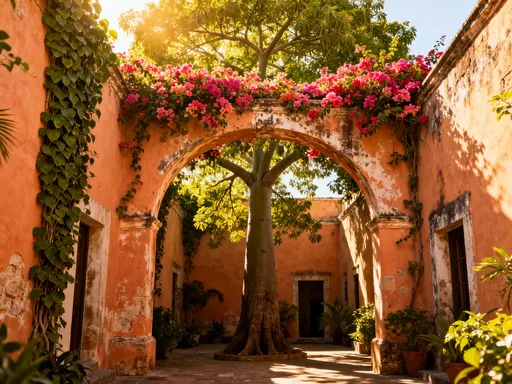
One of the most intimate architectural features of Mérida is the interior courtyard, or patio. Unlike the open front gardens common in other cultures, Yucatecan homes are typically closed to the street, with high walls and modest entrances that give little hint of what lies within. Step inside, however, and the space opens into a world of greenery, light, and tranquility.
The courtyard is more than a design feature—it is a philosophy of living. In a climate where the sun is intense and privacy is valued, the inward-facing home creates a sanctuary. Vines climb trellises, fountains provide the sound of cooling water, and potted plants thrive in the filtered sunlight. These spaces are used for family gatherings, meals, and quiet reflection. They are also deeply practical, promoting airflow and reducing indoor temperatures through natural ventilation.
Some of the most beautiful courtyards can be visited in restored casonas that now function as hotels, restaurants, or cultural spaces. For example, the Casa de la Cultura, located in the heart of the city, features a lush central patio surrounded by arched walkways and vibrant bougainvillea. During the weekly art markets or music performances, this space comes alive with community energy while retaining its sense of calm.
Other courtyards remain private, visible only through a slightly open gate or a second-floor balcony. Yet even these glimpses offer a lesson in observation. A single hammock strung between two columns, a cat sleeping in a patch of shade, the glint of a ceramic planter—these small details suggest a way of life that prioritizes comfort, beauty, and stillness. In a world of constant noise, Mérida’s courtyards remind us that peace is not found in escape but in design.
Color, Light, and Local Craftsmanship
One of the first things visitors notice about Mérida is its color. Buildings are painted in soft pinks, warm yellows, deep blues, and terracotta reds—hues that seem to glow in the tropical sunlight. These are not arbitrary choices. The colors reflect both cultural identity and environmental intelligence. Lighter shades help reflect heat, while deeper tones are often used in shaded areas to add warmth and depth.
The tradition of painting homes with lime-based washes continues in many neighborhoods. This natural paint, made from limestone, water, and pigments, is breathable and durable, allowing walls to release moisture without cracking. It also gives buildings a soft, matte finish that changes subtly with the light—appearing warm at sunrise, vibrant at noon, and almost luminous at sunset.
Beyond paint, craftsmanship is evident in every detail. Window grilles are often hand-forged by local blacksmiths, their patterns passed down through apprenticeships. Doors are carved by artisans who use chisels and hand tools to create motifs inspired by nature and tradition. Even roofing tiles are sometimes made locally, using clay fired in traditional kilns.
This commitment to craftsmanship extends to the city’s markets and workshops. In neighborhoods like Santiago or San Sebastián, visitors can meet artisans who produce textiles, ceramics, and furniture using methods that have changed little over generations. Supporting these makers is not only a way to bring home meaningful souvenirs but also a form of cultural preservation. When travelers choose hand-painted tiles over mass-produced imports, they help sustain a legacy of skill and artistry.
How to Experience Mérida’s Architecture Like a Local
To truly appreciate Mérida, one must move like a local. That means starting early, when the streets are cool and the light is soft. It means choosing a bicycle or walking over taxis, allowing for unplanned detours and spontaneous discoveries. It means sitting on a park bench with a glass of agua de tamarindo and simply watching the city wake up.
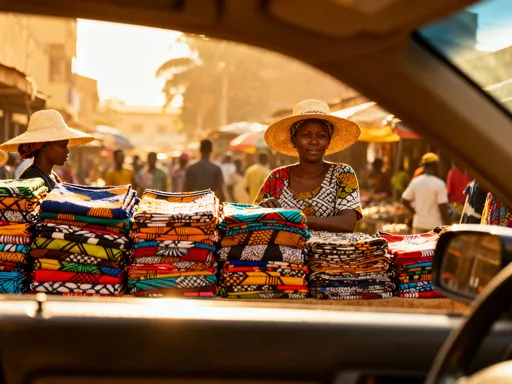
One of the best ways to engage with Mérida’s architecture is through its markets. The Lucas de Gálvez Market, located just outside the main square, is not only a place to buy fresh fruit, spices, and handmade tortillas but also a showcase of everyday urban design. The market building itself is a blend of 19th-century structure and modern updates, with high ceilings, metal roofing, and open-air stalls that allow for cross-ventilation. Here, architecture serves function, and function supports community.
Another local ritual is the paseo, an evening stroll through the city center. Every Sunday, the main streets around the Plaza Grande are closed to traffic, and families, couples, and friends take to the sidewalks. Street performers play traditional music, children ride bicycles, and vendors sell snow cones and handmade crafts. The atmosphere is joyful but unhurried, a celebration of public space and shared ownership of the city.
For a deeper understanding, consider hiring a local guide—especially one who lives in Mérida and can share personal stories about neighborhoods, festivals, and architectural details. Many guides are historians, architects, or artists who offer walking tours focused on specific themes, such as Mayan influences, restoration projects, or street art. These tours provide context that transforms buildings from static objects into living parts of a cultural narrative.
Respecting the Rhythm: A Traveler’s Responsibility
Slow travel is not just a style—it is an ethic. In Mérida, where daily life unfolds behind unassuming walls and in quiet plazas, the presence of visitors carries responsibility. The goal is not to extract experiences but to participate with humility and care. This begins with simple acts: asking permission before photographing people or private homes, speaking politely in Spanish or basic phrases, and supporting local businesses rather than international chains.
One of the most meaningful choices a traveler can make is where to stay. Instead of large hotels, consider a casa particular—a family-run guesthouse often located in a restored colonial home. These accommodations offer more than comfort; they provide connection. Hosts may share meals, recommend hidden spots, or explain the history of their neighborhood. Staying in such a place supports the local economy and fosters mutual respect.
Equally important is the way we observe. Mérida is not a stage set for tourism. It is a living city where people raise families, run businesses, and maintain traditions. When we approach it with curiosity rather than conquest, we honor its integrity. This means avoiding intrusive behavior, such as climbing on historic structures or disturbing quiet residential areas.
Ultimately, preserving Mérida’s beauty depends on collective awareness. By choosing sustainable practices—walking instead of driving, reducing waste, respecting quiet hours—travelers become allies in conservation. The city’s charm lies in its authenticity, and that authenticity can only endure if it is protected by both residents and visitors.
Mérida doesn’t shout—it murmurs through its walls, arches, and shaded corners. To walk its streets slowly is to listen. In a world obsessed with speed, this city teaches us that the deepest connections come not from checking boxes, but from pausing, looking closely, and letting places speak. Every coral stone, every painted door, every breeze through a courtyard carries a story. And if we move with intention, we become part of it—not as spectators, but as witnesses to a living heritage that continues to evolve, one quiet step at a time.