You Won’t Believe What I Found Driving Through Rotorua’s Cityscape
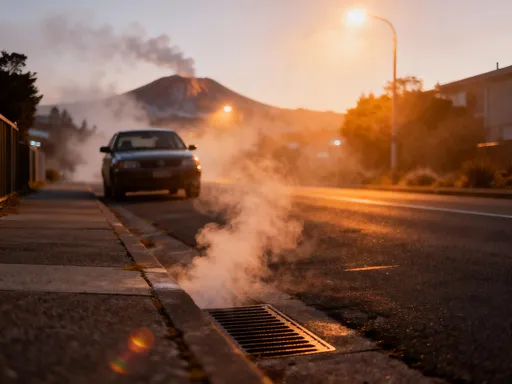
Driving into Rotorua feels like stepping into another world—steam rising from the streets, the scent of sulfur in the air, and a skyline dotted with geothermal wonders. I hit the road with no fixed plan, just a full tank and curiosity. What I discovered wasn’t just a city, but a living landscape where nature and urban life collide in the most unexpected ways. This is real, raw, and absolutely unforgettable.
The First Glimpse: Arriving in Rotorua by Car
As the car rolls eastward along State Highway 5 from Taupō, the landscape begins to shift in subtle but unmistakable ways. Rolling green pastures stretch toward the horizon, dotted with sheep and the occasional farmstead, but then—there it is—a wisp of steam curling above the treetops. At first, it could be mistaken for morning fog, but soon more plumes appear, rising not from buildings, but directly from the earth itself. The transition is gradual, yet profound. One moment you’re in rural farmland, the next you’re entering a city where the ground breathes.
The approach to Rotorua by car offers a rare kind of anticipation. Unlike arriving at an airport or train station, driving allows travelers to witness the slow unfolding of a place. There’s no abrupt arrival, no sudden immersion—instead, the city reveals itself in layers. The scent of sulfur becomes more pronounced, not unpleasant but elemental, like the smell of a hot spring after rain. The road dips and rises, and with each turn, new thermal features emerge: a fenced-off steaming crack in the sidewalk, a park with bubbling mud pools, a distant geyser erupting against the sky.
This sense of gradual discovery is one of the greatest advantages of arriving by self-drive. There’s no schedule to keep, no guidebook telling you when to look. You can pull over at a roadside lookout, step out, and simply breathe in the atmosphere. You can pause to photograph a column of steam rising beside a suburban driveway or watch a local jogger weave around a thermal vent on the footpath. The journey becomes part of the experience, not just a means to an end. And for many visitors, that first drive into Rotorua is the moment they realize this won’t be a typical city visit—it will be a conversation with the earth itself.
Urban Meets Underground: Rotorua’s Geothermal City Identity
Rotorua isn’t just near a volcanic zone—it sits directly atop one. The city is built on the Rotorua Caldera, a massive volcanic crater formed over 240,000 years ago, and its geothermal activity shapes nearly every aspect of urban life. What makes Rotorua truly unique is how seamlessly these natural forces are woven into the cityscape. This isn’t a remote wilderness attraction; it’s a living, working city where boiling mud pools sit beside playgrounds, and steam vents warm footpaths in winter.
Take the Government Gardens, for example—a beautifully landscaped public space that doubles as a geothermal showcase. Here, visitors can walk past steaming fumaroles, view vividly colored microbial mats in hot springs, and relax beside pools of bubbling blue-green water. The contrast is striking: manicured lawns and rose gardens exist just meters from ground that hisses and trembles with heat. Similarly, Kuirau Park in the city center features open-air mud pools and steaming craters right behind residential homes. Benches are placed nearby, inviting locals and tourists alike to sit, reflect, and absorb the energy of the earth.
The science behind this phenomenon is both fascinating and accessible. Rainwater seeps deep into the earth, where it’s heated by molten rock far below the surface. That superheated water then rises, creating geysers, hot springs, and steam vents. In Rotorua, this process isn’t hidden—it’s celebrated. Sidewalks are designed with ventilation grates to release pressure, and some public buildings use geothermal energy for heating. Even the city’s wastewater system is influenced by underground temperatures.
For visitors, the sensory impact is unforgettable. The ground sometimes vibrates underfoot. The air carries a constant warmth, even on cool days. At night, steam glows faintly under streetlights, giving the city an almost dreamlike quality. No other urban center in the world offers this kind of direct, daily interaction with volcanic forces. Rotorua doesn’t just showcase geothermal activity—it lives with it, adapts to it, and invites you to experience it at street level.
Behind the Wheel: Why Self-Driving Elevates the Experience
While guided tours and public transport options exist, there’s something uniquely rewarding about exploring Rotorua by car. A self-drive journey offers unmatched flexibility, allowing travelers to move at their own pace, stop on impulse, and discover hidden corners that might otherwise be missed. The city’s compact size makes navigation easy, but its geothermal diversity means every turn can reveal something new.
One of the greatest joys of driving through Rotorua is the ability to pull over at unexpected moments. A plume of steam rising from a roadside crack, a quiet park with bubbling mud, or a sudden view of Lake Rotorua shimmering in the distance—these are the unplanned discoveries that define a memorable trip. With a car, you’re not bound to a fixed itinerary. You can linger at a thermal site until the light changes, or circle back to a spot you passed too quickly the first time.
Key driving routes connect major attractions while revealing the city’s layered character. State Highway 33, for instance, runs along the southern edge of the lake and offers panoramic views, especially at sunrise. Fenton Street and Amohau Street lead through the heart of town, passing geothermal parks, cultural centers, and local eateries. For those seeking elevation, Sala Street climbs toward a series of residential lookouts that provide sweeping views of the city and its steaming valleys.
Practical advantages abound. Parking is generally accessible, with designated lots near major sites and street parking in quieter neighborhoods. Fuel stations are plentiful, and rental cars from nearby cities like Hamilton or Taupō are widely available. The terrain is hilly in parts, but well-maintained roads make driving manageable for all skill levels. Most importantly, having a car means you can time your visits to avoid crowds—arriving at popular spots like Whakarewa Forest or the Polynesian Spa early in the morning or late in the afternoon, when the light is soft and the atmosphere serene.
Self-driving also deepens the emotional connection to the place. Instead of being a passive observer on a tour bus, you become an active participant in the journey. You choose the route, set the pace, and decide where to pause. This autonomy fosters a sense of ownership over the experience, making the discoveries feel more personal and meaningful.
Hidden Corners: Off-the-Beaten-Path City Views
Beyond the well-marked trails and tourist brochures, Rotorua holds quiet moments of magic for those willing to wander. These are not grand attractions with entry fees or guided talks, but intimate glimpses of the city’s soul—places where steam curls over quiet streets, where the lake reflects the sky in perfect stillness, and where the rhythm of daily life unfolds without fanfare.
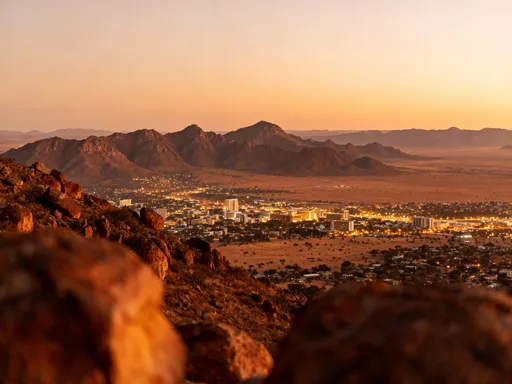
One such spot is the series of lookouts along Sala Street, particularly at dawn. As the sun rises behind the hills, the valley below fills with mist and rising steam, creating a scene that feels almost otherworldly. The city lights fade, replaced by a soft golden glow, and for a few minutes, the world seems suspended. There are no crowds here, no vendors, just the quiet hum of a city waking up on a bed of fire. A short walk from the main road, these viewpoints offer panoramic perspectives without the hustle of more famous sites.
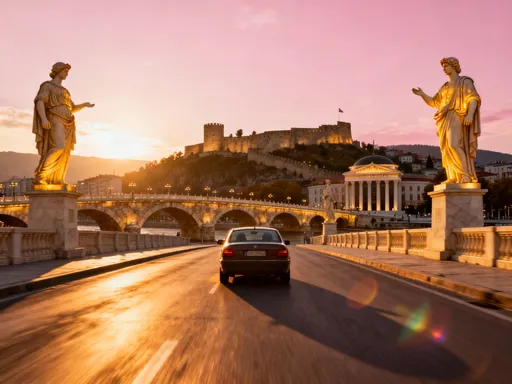
Another hidden gem is the lakeside path near Hamurana Springs Road, where the water meets the urban edge with surprising tranquility. Early evening is ideal—when the sky turns pink and the first streetlamps flicker on, casting long reflections across the lake. Steam drifts low over the surface, catching the light like threads of gold. It’s a place for slow walking, quiet conversation, or simply sitting on a bench with a takeaway coffee from a nearby bakery.
Even within residential neighborhoods, surprises await. In areas like Mokoia or Ngongotahā, side streets often lead to small parks or thermal vents tucked between homes. One moment you’re on a quiet cul-de-sac, the next you’re standing beside a steaming pool fenced with wooden rails, a sign warning of high temperatures. These are not staged for tourists—they’re part of everyday life, and their authenticity is precisely what makes them so powerful.
Exploring these lesser-known corners requires no special equipment or planning—just curiosity and a willingness to slow down. They remind us that some of the most memorable travel experiences aren’t found in guidebooks, but in the spaces between them. In Rotorua, where the earth itself shapes the city, these quiet moments feel especially significant, as if the land is sharing a secret just for you.
Local Life in a Volcanic City: Cafes, Culture, and Community
Rotorua is more than a destination for visitors—it’s a home. And the way its residents live alongside geothermal forces speaks volumes about resilience, ingenuity, and cultural pride. Daily life here is shaped by the land, not in spite of it, but because of it. From bakeries that use underground heat to steam bread to public pools warmed by natural springs, the community has learned to work with the earth, not against it.
One of the most striking examples is the use of geothermal energy in small businesses. Some local bakeries, particularly in the older parts of town, have traditionally used steam vents to cook food—a practice rooted in Māori cooking methods like the hāngī, where food is slow-cooked in earth ovens heated by rocks. Today, this tradition lives on in modern forms, with restaurants offering steam-cooked dishes that carry a distinct, earthy flavor. It’s not just a novelty; it’s a continuation of cultural knowledge passed down for generations.
The city’s public spaces also reflect this deep connection. The Polynesian Spa, one of Rotorua’s most famous attractions, draws on naturally heated mineral waters that have been used for healing and relaxation for centuries. But beyond the resort, smaller community pools and thermal baths serve locals year-round, offering warmth in winter and a place to gather across generations. These are not commercialized experiences—they’re part of the social fabric.
Walking through the city, you’ll also notice Māori cultural markers woven into the urban landscape: carvings at entryways, bilingual street signs, and public artworks that tell stories of the land and its people. The Te Puia cultural center, while a major attraction, is also a living institution where artisans practice traditional weaving, carving, and performance. But culture isn’t confined to institutions—it spills into the streets, cafes, and markets, where locals share stories, music, and food with quiet pride.
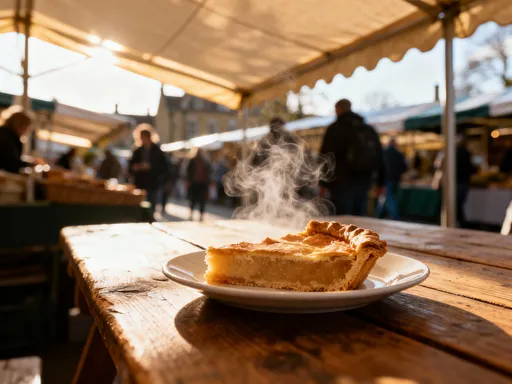
Street art adds another layer, with murals depicting geothermal forces, native birds, and ancestral figures. These aren’t just decorations—they’re declarations of identity. In a city built on shifting ground, art becomes a way of anchoring community, of saying, “We are here, and we belong.” For visitors, engaging with this living culture—whether through a conversation with a shopkeeper, a visit to a local market, or a quiet moment at a community park—transforms the trip from sightseeing to meaningful connection.
Day into Night: The Transformation of Rotorua’s Cityscape
As the sun sets behind the hills surrounding Lake Rotorua, the city undergoes a quiet transformation. The bright energy of daytime gives way to a more introspective mood, one defined by soft light, drifting steam, and the gentle lapping of water against the shore. This is when Rotorua reveals another dimension of its character—one that feels more intimate, more poetic, and deeply calming.
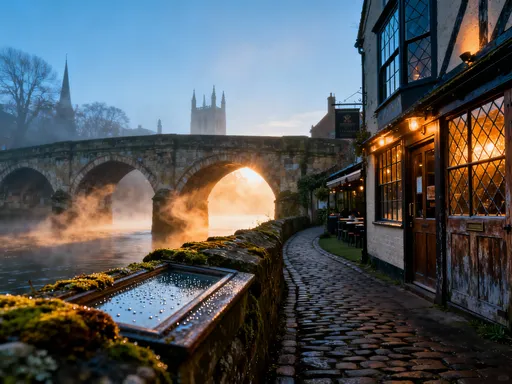
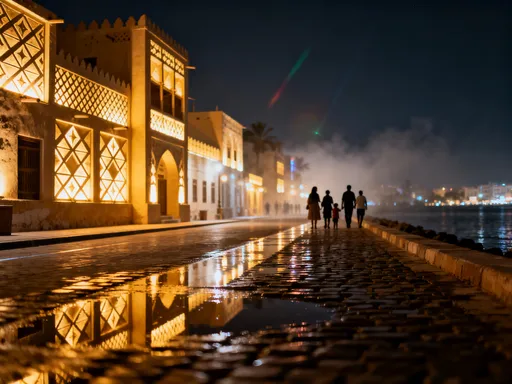
The change begins at dusk. Streetlamps flicker on, casting warm orange pools on wet pavement. Steam, barely visible in daylight, now glows under the light, curling like smoke through the trees and across empty footpaths. The lake, dark and reflective, mirrors the sky and the scattered lights of the town, creating a sense of infinite depth. In these moments, the city feels suspended between worlds—grounded in reality, yet touched by something elemental and timeless.
An evening drive through Rotorua offers a different kind of pleasure than the daytime exploration. The roads are quieter, the air cooler, and the pace slower. You can stop at a lakeside lookout without competing for space, roll down the windows, and simply listen—the distant hum of the town, the occasional call of a bird, the faint hiss of a thermal vent. It’s a sensory experience that invites reflection, a reminder that travel isn’t just about seeing, but about feeling.
For photographers, the night offers rich opportunities. Long exposures capture the movement of steam, the streaks of car lights on wet roads, and the stillness of the lake. But even without a camera, the experience is powerful. Sitting in the car with a warm drink, watching the city breathe in the dark, creates a sense of peace that’s rare in modern travel. It’s in these quiet hours that Rotorua’s true character emerges—not as a collection of attractions, but as a place of depth, mystery, and quiet strength.
Why This Road Trip Stays With You
The journey through Rotorua lingers in the mind long after the car is parked and the suitcase unpacked. It’s not just the sights—the steaming vents, the bubbling mud, the glowing lakes at night—that leave an impression. It’s the feeling of being in a place where nature and human life are not in conflict, but in conversation. Where the ground beneath your feet is alive, and the air carries the warmth of the earth itself.
This road trip stays with you because it challenges expectations. It reminds us that cities don’t have to be concrete and noise—they can be organic, dynamic, and deeply connected to the natural world. It shows that travel at its best is not about checking off landmarks, but about slowing down, paying attention, and allowing yourself to be surprised. The unplanned stops, the quiet moments at dawn, the conversations with locals—these are the fragments that form the lasting memories.
Rotorua also speaks to a deeper truth about adaptability and resilience. A city built on an active volcanic zone could be seen as precarious, yet it thrives. Its people live with uncertainty, not in fear, but with respect and ingenuity. They use the earth’s energy to heat their homes, cook their food, and heal their bodies. They celebrate their culture in public spaces, on street corners, and in community centers. In doing so, they offer a model of harmony—one that feels increasingly relevant in a world searching for balance.
For the traveler, especially one seeking meaningful, reflective experiences, Rotorua offers something rare: authenticity. There’s no pretense here, no attempt to hide the raw edges of nature. The steam isn’t airbrushed, the sulfur smell isn’t masked, the ground isn’t tamed. What you see is what is—real, unfiltered, and deeply alive.
So if you ever find yourself with a full tank and an open road leading toward Rotorua, take it. Let go of the itinerary. Drive without urgency. Allow the city to reveal itself in its own time. Because some places don’t just welcome you—they surprise you, challenge you, and stay with you, not as a memory, but as a feeling. And in a world that moves too fast, that feeling is a gift.